
Buying power is falling. The smart money is following it down.
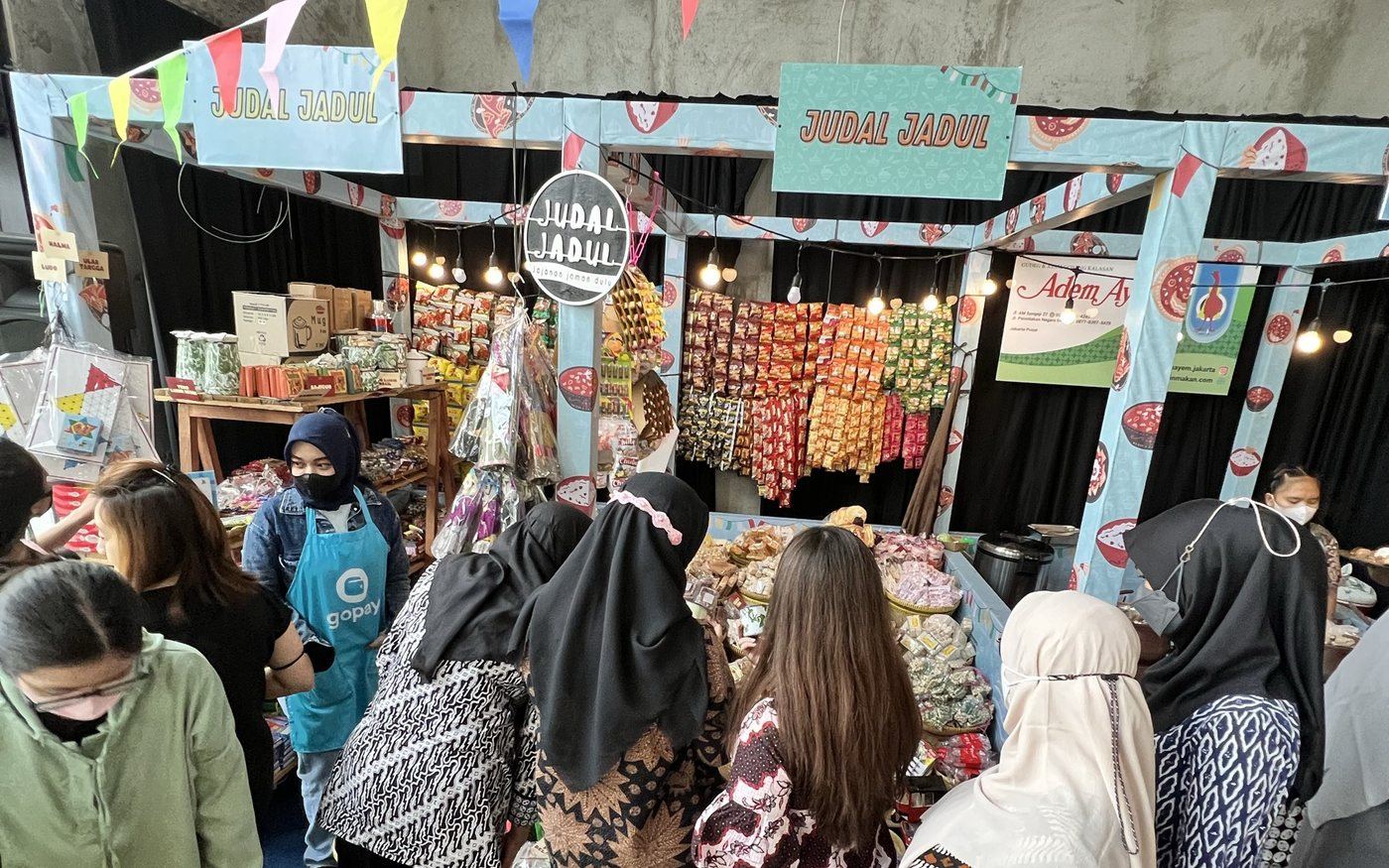
The numbers stopped being deniable a while ago. BPS data show Indonesia's middle class shrank from about 47.9 million people in 2024 to 46.7 million in 2025 - a deeper drop than the year before. Mandiri Institute puts middle-class consumption growth at just 4.1%, slower than both the poorest households and the top of the pyramid. And households are papering over the gap with credit: online lending grew 25% last year and pawn financing 48%.
For retailers, the visible symptom is downtrading - the same customers, buying cheaper. Postponed durables, skipped recreation, the premium brand swapped for the second-tier one, the big pack traded for the small one.
Downtrading doesn't mean your customer left. It means they moved - and they told you exactly where they went.
The mistake: waiting for the old customer back
The reflex in a soft market is to defend the existing position - hold price, hold format, run promos, and wait for purchasing power to recover. But the shopper who traded down is building new habits at the new price point, and the operators meeting them there are building formats around those habits. Ask the hypermarkets how waiting worked out.
Where the opportunity actually is
Every downtrade is a trade into something. That receiving end is the growth market:
- Value formats and hard discounters - the traffic has to land somewhere, and it lands where the price architecture starts low.
- Private label and second brands - the cheapest way for a retailer to keep a downtrading customer inside the store instead of losing them to one.
- Smaller pack sizes and entry price points - Indonesia wrote the sachet-economy playbook; it works above FMCG too.
- Affordable indulgence - the cut is on big-ticket spending, not on small joys. The boom in value F&B chains is the proof: a Rp10,000 treat survives every budget cut.
- Value tenants in the mix - for landlords, the brands expanding right now are disproportionately local and value-positioned. The mix should say so before the vacancy does.
The work, in order
First, find out precisely how your shoppers are downtrading - which categories, which price gaps, which occasions. That's fieldwork, not a dashboard. Then rebuild the offer around it: entry price points that don't feel like punishment, a second brand that protects the first, a tenant mix that matches the wallet walking past. The retailers that do this now will own the value segment - and they'll still own those customers when buying power comes back.